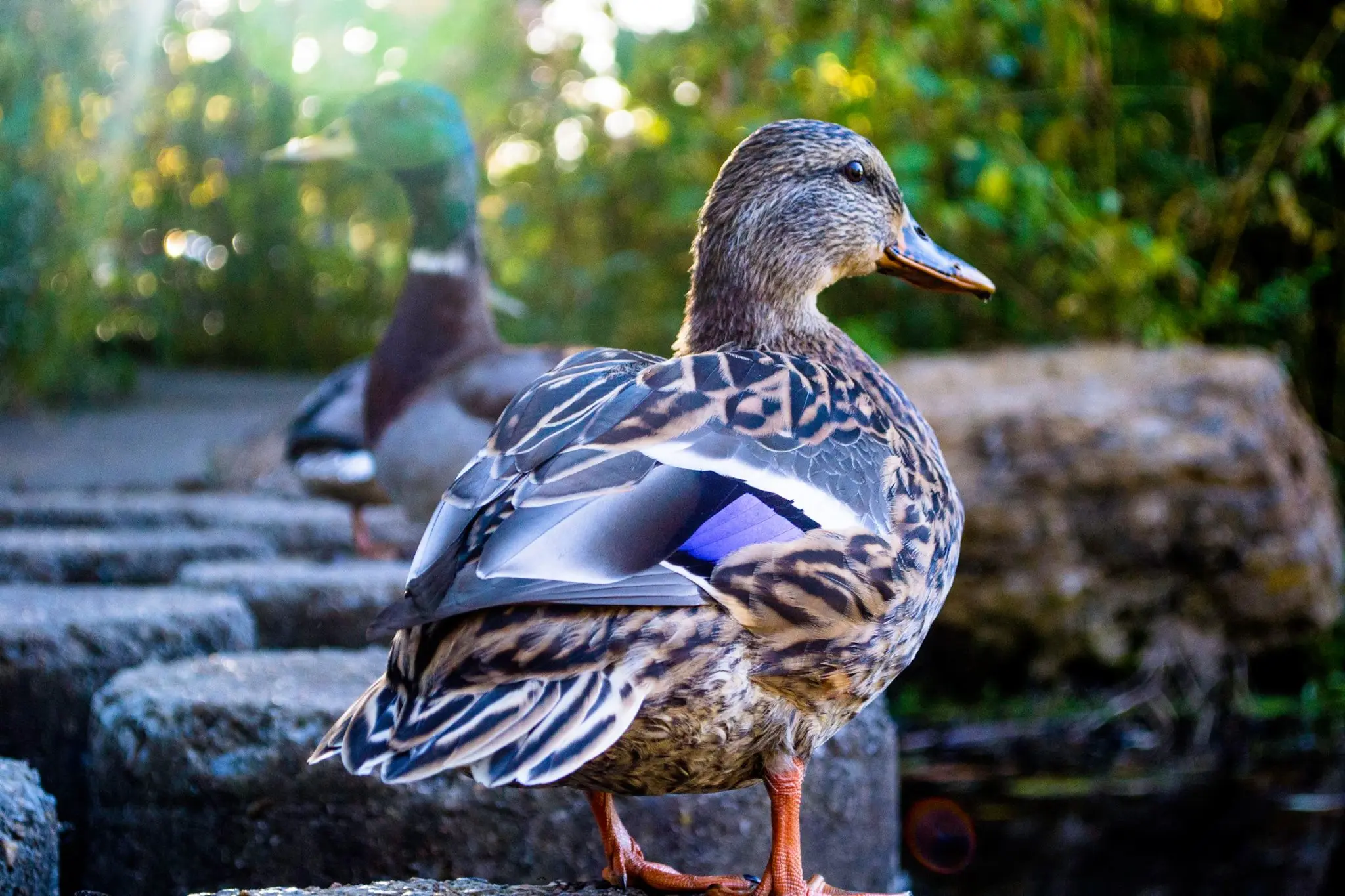
Strong wildlife photographs begin before the shutter is pressed. The most useful approach is to slow down, watch behavior, and give the animal enough room to remain comfortable. That patience produces photographs that feel like encounters rather than interruptions.
Work from behavior, not reaction
Repeated movements reveal when an animal is likely to pause, turn, feed, or enter better light. Anticipating those moments is more reliable than chasing them. A stable position and a clean background also make it easier to concentrate on expression, posture, and the small details that give the subject presence.
Protect the sense of place
A close portrait can be powerful, but the surrounding habitat is part of the story. Water, stone, grass, and changing light explain where the encounter happened without overwhelming the subject.
The finished photograph should preserve both the character of the animal and the quiet of the moment in which it was seen.
← Return to the journal